From pine flats and oak hammocks to marshes, swamps, ranchland, and coastal waterways, Florida has one of the most diverse wildlife environments in the country.
At FLA WILD, we don’t just chase animals - we respect the land, understand the ecosystem, and hunt with purpose. Whether you’re after a mature whitetail, stalking wild hogs, calling in a gobbler, tagging a gator, trolling for mahi mahi or controlling invasive iguanas, Florida gives you opportunity and responsibility.
Hunting here teaches patience. It builds discipline. It preserves tradition. And when done right, it strengthens conservation.
This page breaks down:
Wild Game Species that can be hunted. Wildgame Species that are protected and a big part of Florida's ecosystem.
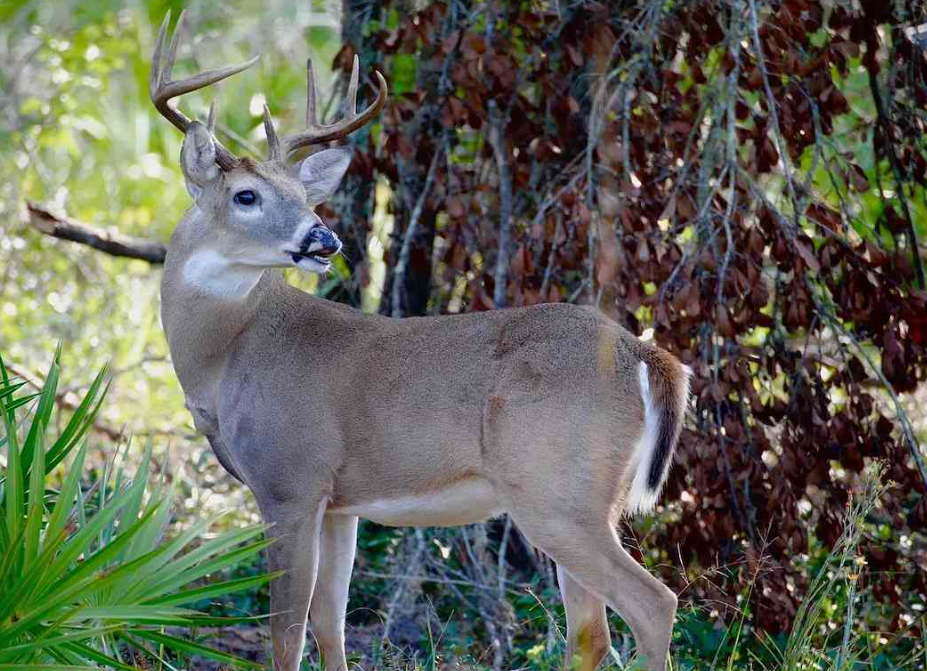
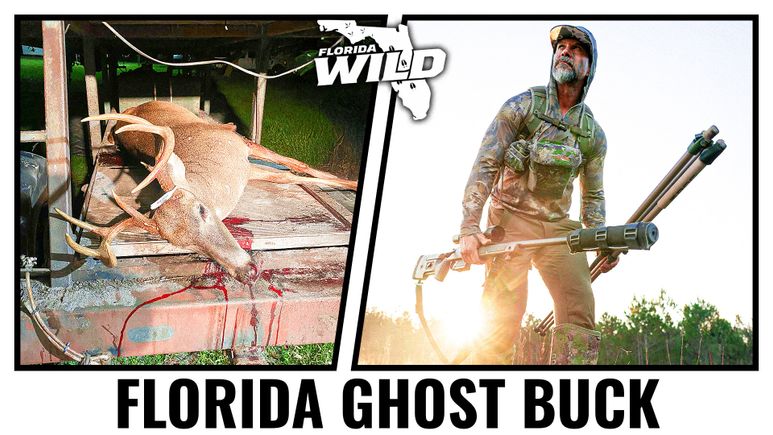
WHITE-TAILED DEER
Identity & Subspecies
Florida whitetails are part of the White-tailed deer family.
Two primary subspecies in Florida:
Florida whitetail (Odocoileus virginianus seminolus) – most of the state
Key deer (Odocoileus virginianus clavium) – found only in the Florida Keys (protected, much smaller)
Size & Physical Traits
Smaller than Midwest/Midwestern deer due to climate and habitat
Average weights:
Bucks: 125–190 lbs
Does: 90–130 lbs
Antlers:
Typically smaller racks, but mature bucks can still produce solid frames with good genetics and management
Coat:
Reddish-brown in summer, grayish in winter (less dramatic seasonal change than northern deer)
Habitat
Thrive in classic FLA WILD terrain:
Palmetto flats
Pine flatwoods
Oak hammocks (critical for acorns)
Cypress heads & swamp edges
Agricultural edges (pasture, citrus, row crops)
Prefer thick cover + nearby food + water
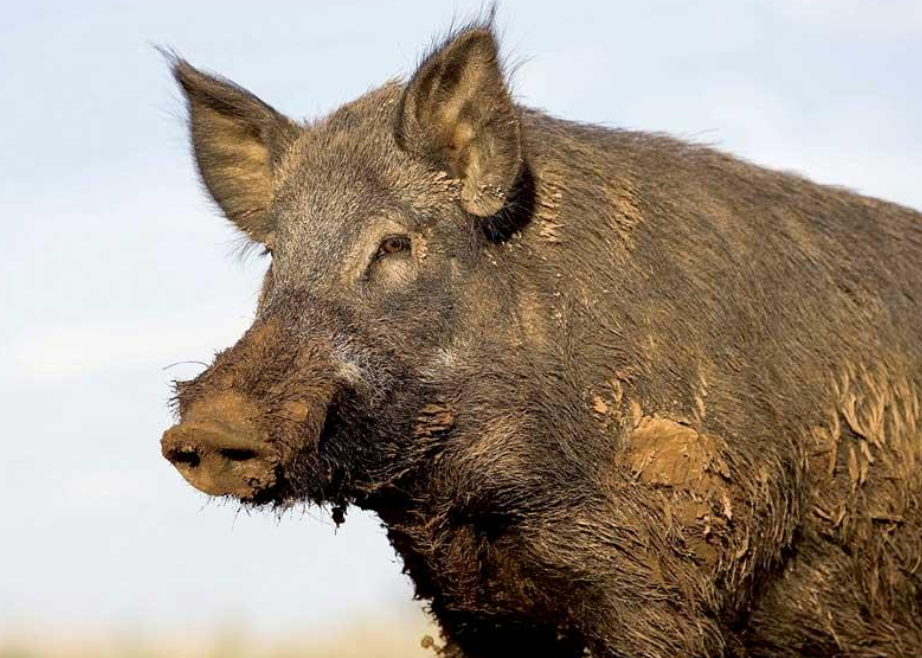
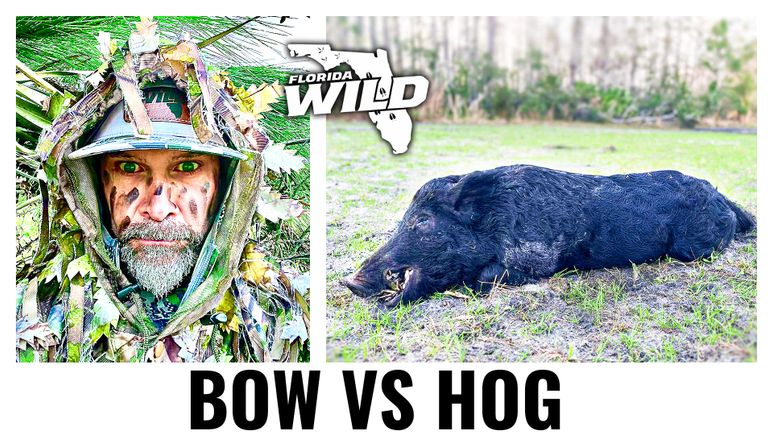
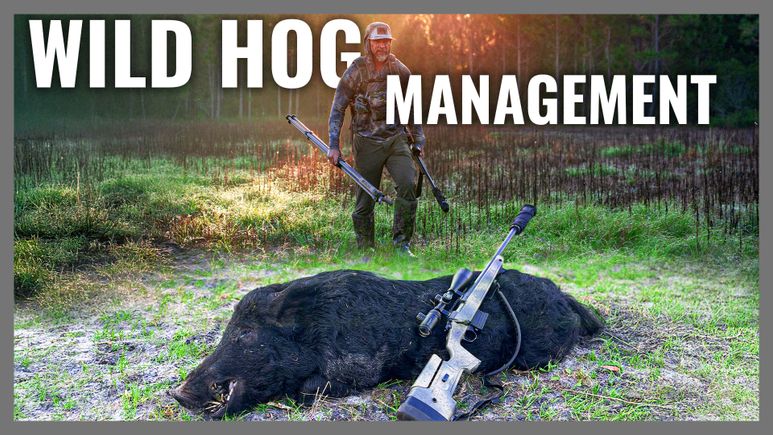
FERAL HOG
Identity & Origin
Wild hogs are descendants of:
Domestic pigs brought by Spanish explorers (1500s)
Eurasian wild boar introduced later for hunting
Not native wildlife → classified as invasive species in Florida
Population & Distribution
Estimated 500,000+ statewide
Found in all 67 counties
One of the most widespread and destructive species in the state
Size & Physical Traits
Adult boars: 150–300+ lbs (some much larger)
Sows: 100–200 lbs
Features:
Thick shield on shoulders (older boars)
Razor-sharp tusks (self-sharpening)
Coarse hair, often dark/black but can vary
Habitat
Extremely adaptable:
Palmetto flats
Cypress swamps
Pine forests
Agricultural land & cattle pasture
Always tied to:
Water
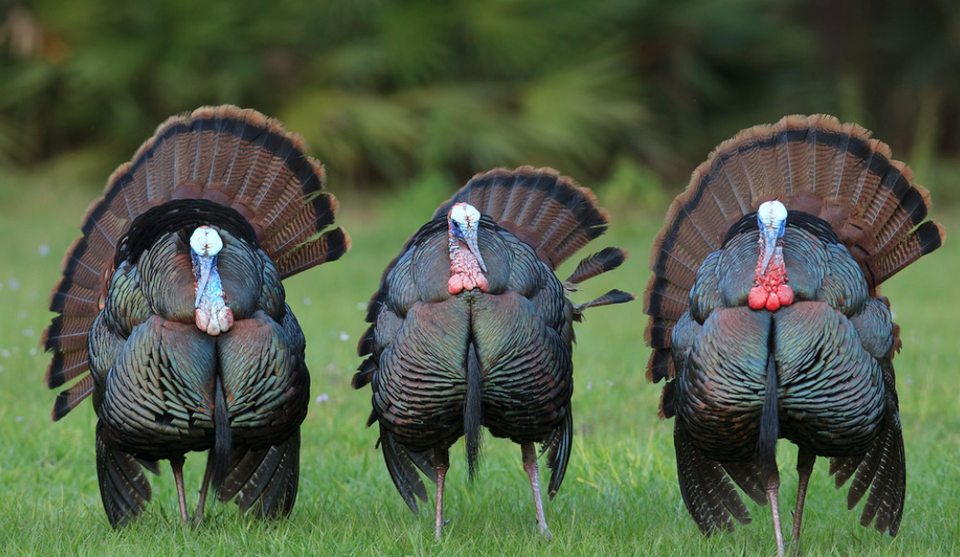
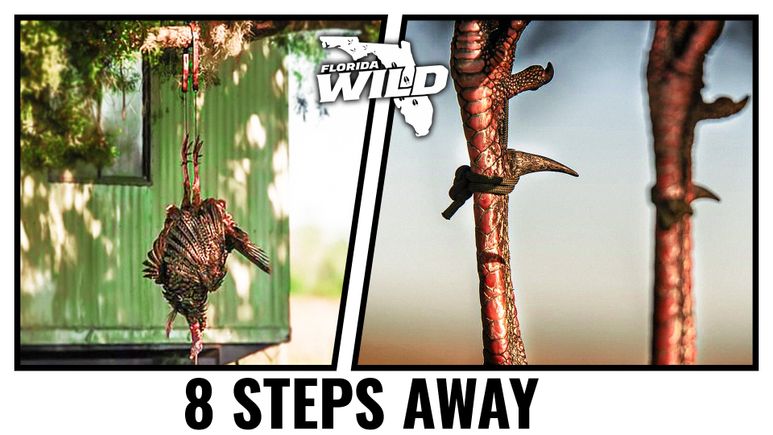
OSCEOLA TURKEY
Identity & Classification
The Osceola turkey is one of the five subspecies of the Wild turkey.
Scientific name: Meleagris gallopavo osceola
Also called the Florida wild turkey
Named after the Seminole leader Osceola
Range (What Makes Them Special)
Found only in Florida (primarily south of the panhandle)
This limited range makes them:
One of the hardest turkeys to hunt
A must-have for the Grand Slam of Turkey Hunting
Physical Traits
Smaller than Eastern turkeys, but extremely sharp
Key features:
Dark, iridescent feathers with a green/purple sheen
Long legs (adapted for swampy terrain)
Long spurs on mature gobblers
Beards can exceed 10 inches
Gobblers: ~18–25 lbs
Hens: ~8–12 lbs
Habitat
Classic FLA WILD country:
Palmetto flats
Pine flatwoods
Cypress swamps
Oak hammocks
Prefer:
Open strut zones (roads, pastures, burn areas)
Nearby thick cover for roosting and escape
Behavior
Extremely wary and pressured
Known for:
Hanging up just out of range
Coming in silent after gobbling on roost
Gobbling activity:
Strong on the roost
Can shut down quickly once on the ground
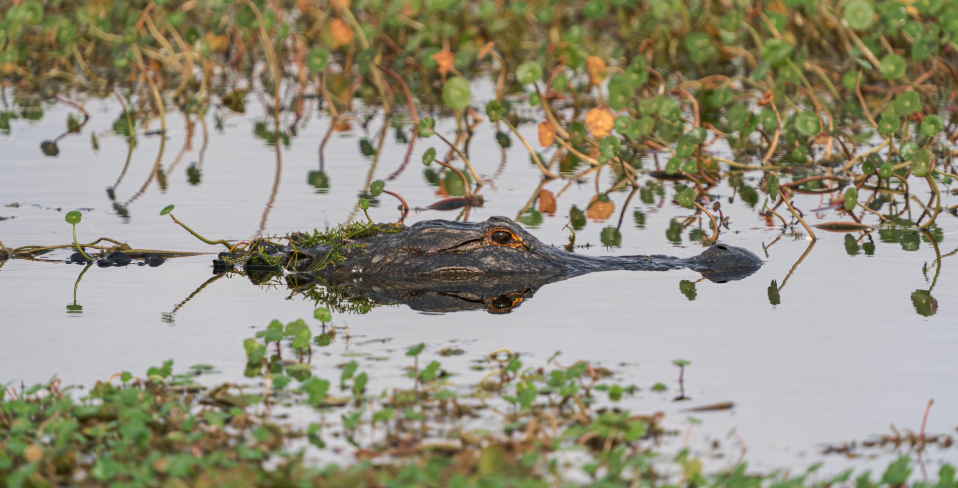
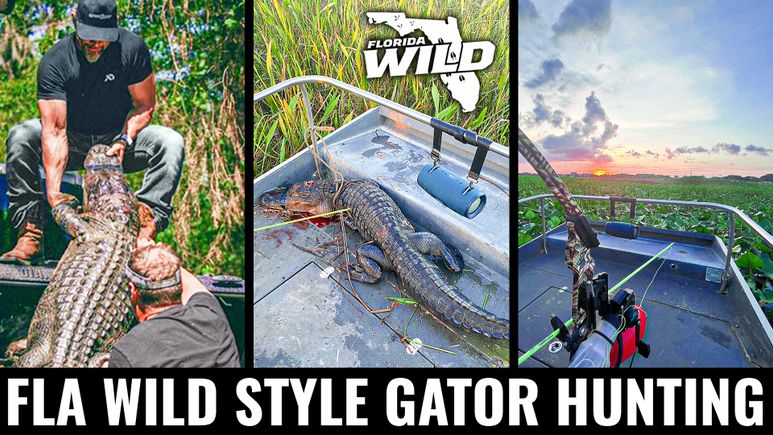
American Alligator
Identity & Range
Species: American alligator
Native to the southeastern U.S., with Florida holding the largest population
Found in all 67 Florida counties
Estimated 1.3+ million alligators statewide
Size & Physical Traits
Males: typically 10–13+ feet, up to 1,000 lbs
Females: usually 8–10 feet
Key features:
Broad, rounded snout
Armored hide (osteoderms) like body armor
Eyes and nostrils positioned on top of head for stealth
Bite force: among the strongest in the animal kingdom
Habitat
Freshwater environments:
Marshes, swamps, lakes, rivers, ponds, canals
Can tolerate brackish water, especially in coastal areas
Dig “gator holes” during dry periods—these become critical water sources for other wildlife
Diet (Apex Predator)
Opportunistic carnivore:
Fish, turtles, birds
Raccoons, snakes
Deer, wild hogs (larger gators)
Juveniles eat insects and small prey
Known for ambush hunting—explosive, short-distance attacks
Behavior
Most active in warm months and at night
Spend time basking to regulate body temperature
Can sprint short distances on land (~20 mph burst), but primarily aquatic
Generally avoid humans, but become dangerous if fed or habituated
Reproduction
Mating: spring (April–May)
Females build vegetation nests
Lay 30–50 eggs
Temperature determines sex of hatchlings
Mothers guard nest and assist hatchlings to water
Unique Florida Role
Considered a keystone species
“Gator holes” provide water during drought → support fish, birds, and other wildlife
Help maintain balance in wetland ecosystems
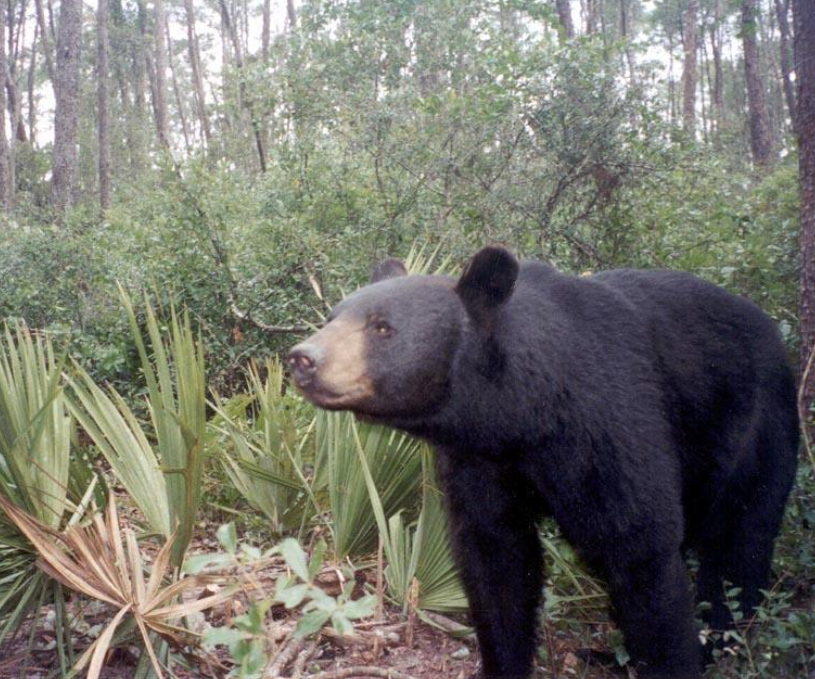
FLORIDA BLACK BEAR
Identity & Range
The Florida black bear is a subspecies of the American black bear.
Found only in Florida and small parts of southern Georgia and Alabama.
Core populations in:
Ocala National Forest
Big Cypress / South Florida
Apalachicola National Forest
Osceola National Forest
Population Status:
Estimated 4,000+ bears statewide (strong recovery from historic lows).
Once nearly wiped out in the early 1900s due to unregulated hunting and habitat loss.
Now considered a conservation success story, though still closely managed.
Habitat:
Thrive in:
Palmetto flats
Cypress swamps
Oak hammocks (acorn-heavy areas)
Pine forests
Require large, connected tracts of land (similar to panthers, but more adaptable)
Diet (Opportunistic Omnivore):
~80–90% plant-based diet
Key foods:
Acorns, saw palmetto berries, gallberries
Insects, grubs, honey
Will also eat:
Carrion, small animals, and occasionally deer fawns or livestock
Highly attracted to human food sources (trash, feeders, pet food)
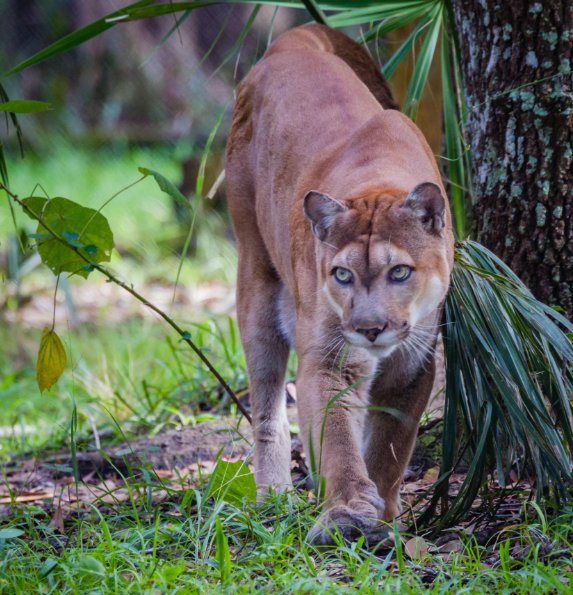
FLORIDA PANTHER
Population: 120–230 adults Region: South Florida Status: Endangered FLA WILD Insight: Ranchlands provide essential habitat corridors.